
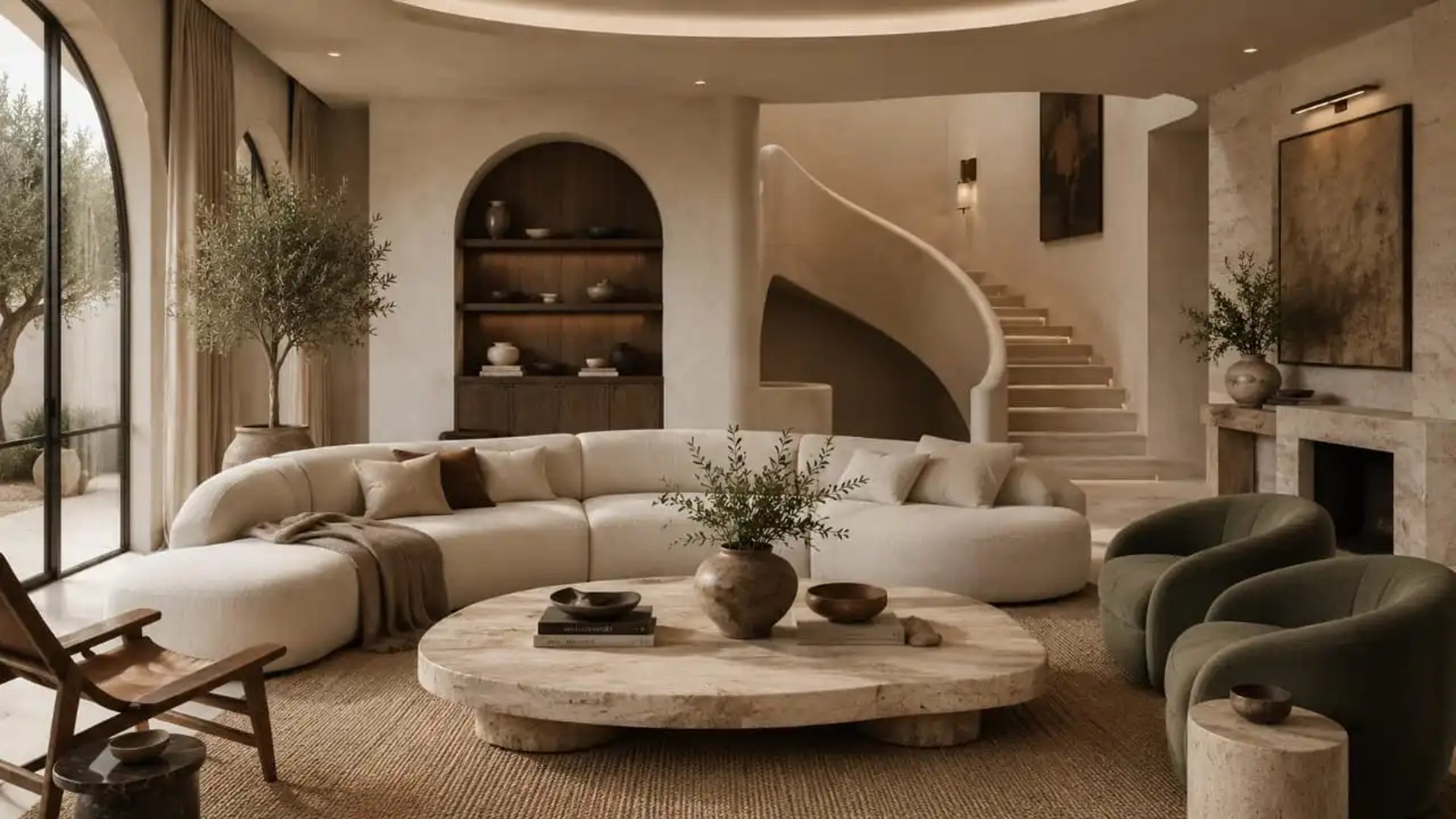
Organic Modern Interior Design: The Complete 2026 Guide to Creating a Warm, Timeless Home
The Grounded Sanctuary: Why Modern Organic Is the Defining Aesthetic of 2026
In In 2026, the design world has moved beyond the era of Instagram-perfect minimalism and embraced something far more meaningful: personalized authenticity. At the forefront of this evolution is the Modern Organic movement, an aesthetic that has captivated homeowners and designers alike by creating spaces that feel simultaneously earthy and contemporary, refined yet inviting.
More than a visual trend, Modern Organic design is a sensory experience. It harmonizes the raw beauty of natural materials with the clean restraint of modern silhouettes, resulting in interiors that feel both sophisticated and deeply comforting. In an age defined by constant stimulation and fast-paced living, this aesthetic offers a welcome retreat—a nurturing sanctuary that reconnects us with the present moment.
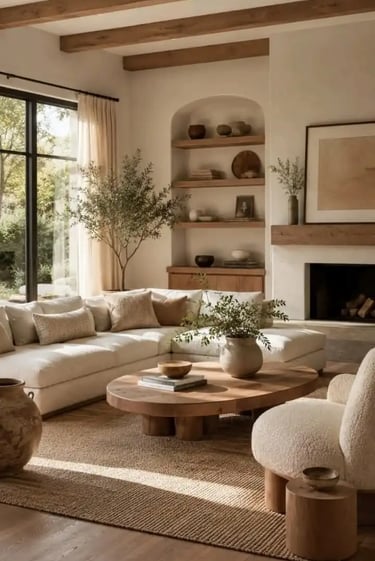
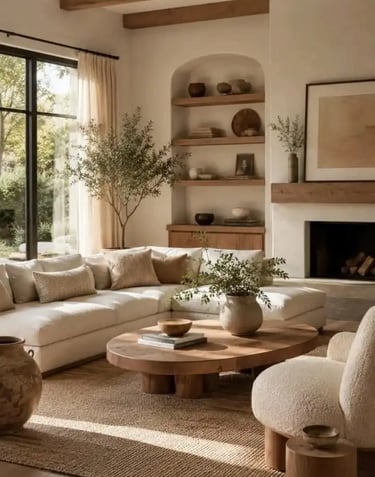
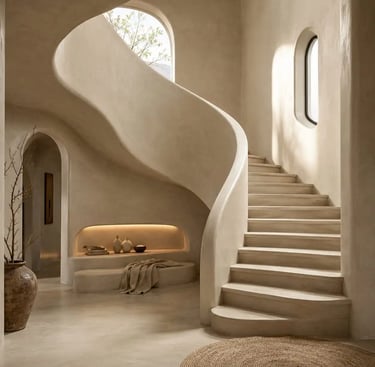
The rigid, clinical lines once associated with modernism have given way to a gentler approach. In 2026, architecture embraces soft geometry through curated curves, flowing silhouettes, and irregular contours inspired by nature and the human form.
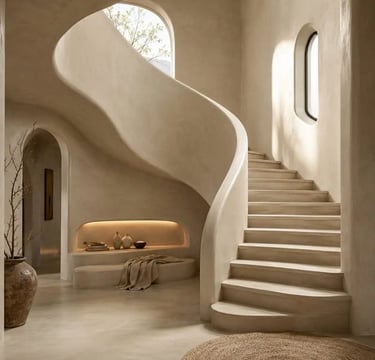
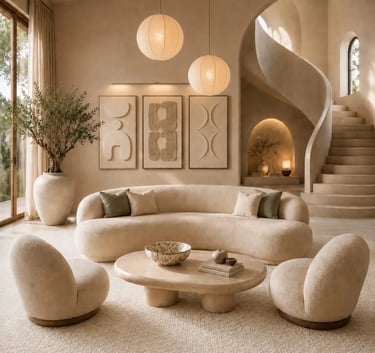
Curved plaster staircases, arched doorways, and rounded stone fireplaces replace sharp angles, introducing a handcrafted quality reminiscent of ancient architecture. These fluid forms soften the visual landscape of a home, creating a sense of movement and calm while fostering an atmosphere that feels welcoming and restorative.
The Chromatic Mood: Sun-Washed Neutrals and Earthy Depths
If a material could have existed centuries ago, it likely has a place within the Modern Organic palette. At its core, this aesthetic celebrates authenticity through raw and unrefined materials that reveal their natural character.
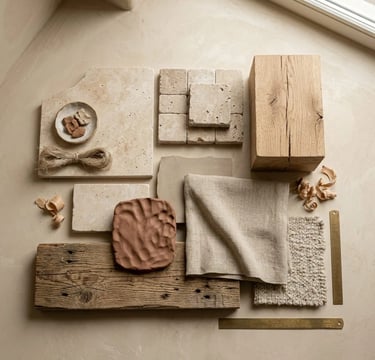
Glossy, synthetic finishes are replaced with honed travertine, tumbled limestone, and reclaimed or raw wood. These materials are valued not only for their visual appeal but also for their tactile richness and ability to develop a beautiful patina over time. Wide-plank white oak flooring and matte stone surfaces establish an earthy foundation, grounding the entire home in nature.
The reign of cool, sterile gray tones has officially come to an end. The Modern Organic color palette revolves around muted, matte hues that feel naturally weathered and softly aged by sunlight.
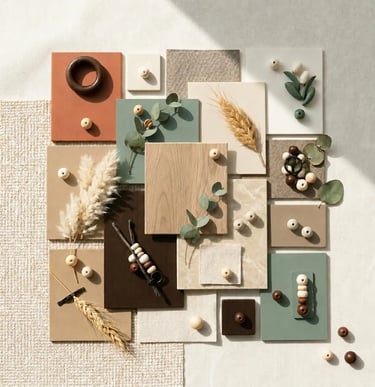
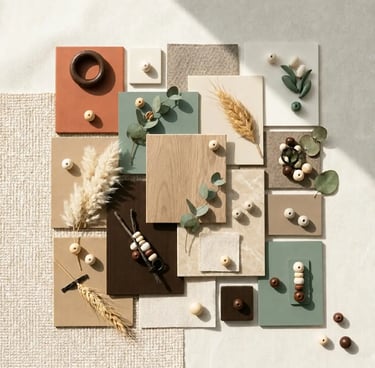
Warm whites, ivory, mushroom taupe, and sandy beige form the foundation, evoking clay, limestone, and driftwood. To create depth and contrast, designers are introducing richer earth-inspired shades such as deep chocolate brown, warm espresso, muted terracotta, and calming eucalyptus green.
A defining technique within this aesthetic is color drenching, where walls, trim, and ceilings are painted in a single hue. The result is an immersive, cocoon-like environment that feels both sophisticated and deeply comforting.
The Sculptural Comfort: “Fat Furniture” and Low Profiles
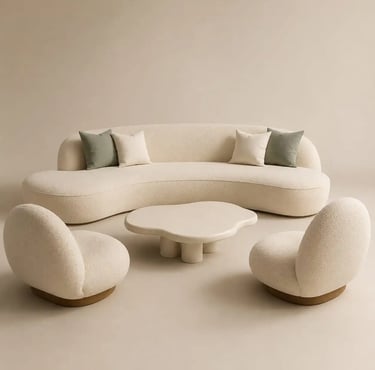
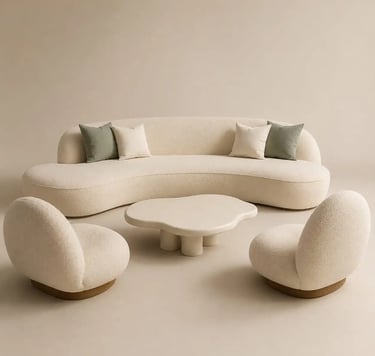
Furniture within the Modern Organic home functions as both practical necessity and sculptural statement. In 2026, living spaces are defined by the rise of “fat furniture”—oversized, generously proportioned seating designed to maximize comfort without sacrificing style.
Low-profile sofas upholstered in breathable linen or cotton feature soft edges and relaxed forms that anchor the room with effortless elegance. These inviting pieces are often paired with chunky solid-wood coffee tables featuring irregular edges, celebrating the beauty of natural imperfections and artisanal craftsmanship.
The Woven Layer: Breathable Linens and Textural Solids
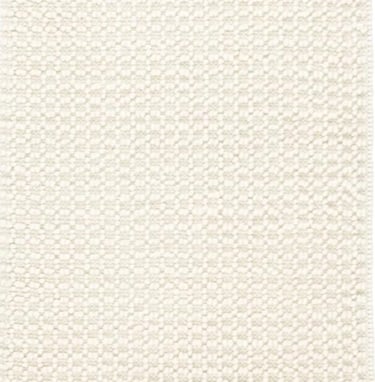
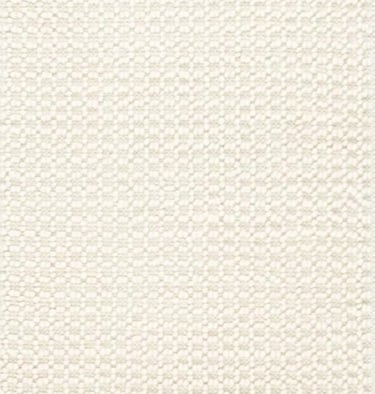
Furniture Textiles bring warmth, depth, and personality to the Modern Organic interior. Rather than relying on bold patterns, the focus shifts toward textural solids—fabrics that appear simple from afar but reveal subtle complexity upon closer inspection through woven details, tonal variations, and tactile finishes.
Natural fibers such as wool, jute, sisal, and washed linen dominate the palette. Layering a nubby wool rug beneath a linen sofa or draping a soft cotton throw across a leather chair introduces dimension and creates a rich, multi-sensory experience throughout the space.
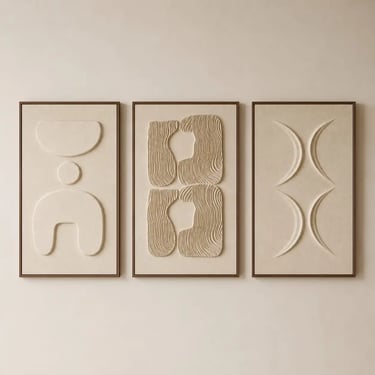
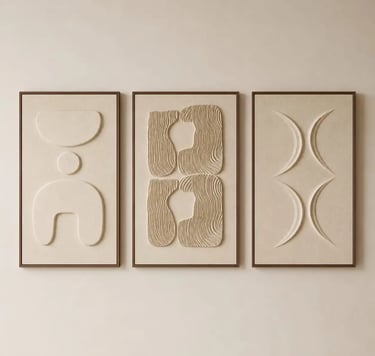
Wall decor within the Modern Organic home is approached with restraint and intention, favoring pieces that introduce texture, depth, and a connection to nature rather than visual excess. Oversized abstract artwork inspired by landscapes, earth tones, and organic forms serves as a focal point while maintaining a sense of calm. Textural wall treatments such as limewash, plaster finishes, wood paneling, and handcrafted wall hangings further enrich the architectural envelope, creating subtle visual interest through materiality rather than ornamentation. The goal is not to fill every surface, but to curate a thoughtful collection of pieces that enhance the room's atmosphere while preserving the aesthetic's signature sense of openness and serenity.
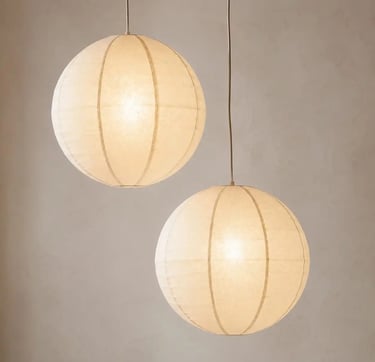
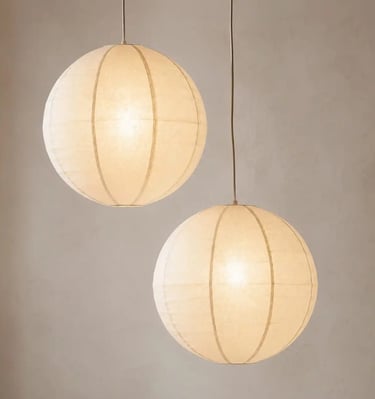
Lighting in 2026 is designed not merely to illuminate a room but to shape its atmosphere. The Modern Organic approach favors fixtures that feel handcrafted, sculptural, and deeply connected to natural materials.
Iron chandeliers, linen-shaded pendants, and lamps crafted from carved limestone or clay contribute texture while casting a soft, diffused glow. The growing integration of circadian lighting systems further strengthens this connection to nature, using advanced LED technology to mimic the changing color temperatures of daylight and support wellness, focus, and relaxation.
The Atmospheric Glow: Handcrafted Illumination
The Artistic Layer: Organic Wall Decor and Textural Expression
The Refined Details: Curated Accessories with Purpose
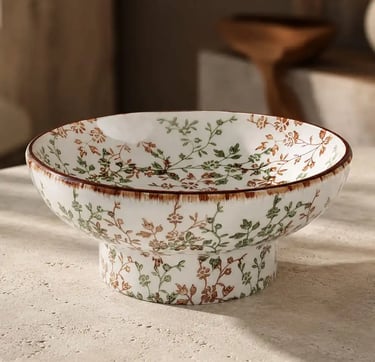
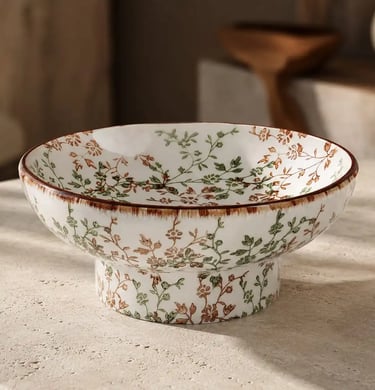
Accessories in Modern Organic interiors are selected with a deliberate emphasis on craftsmanship, authenticity, and timeless appeal. Rather than relying on numerous decorative objects, the aesthetic embraces a carefully edited approach where each piece contributes meaning and character to the space. Handcrafted ceramics, sculptural stone objects, artisanal wooden accents, and naturally aged materials introduce layers of texture while celebrating the beauty of imperfection. Decorative elements are thoughtfully arranged to create balance and visual breathing room, allowing every object to be appreciated individually. This philosophy of quality over quantity results in interiors that feel collected, personal, and effortlessly sophisticated.
The Tactile Foundation: Honed Stone and Raw Timber
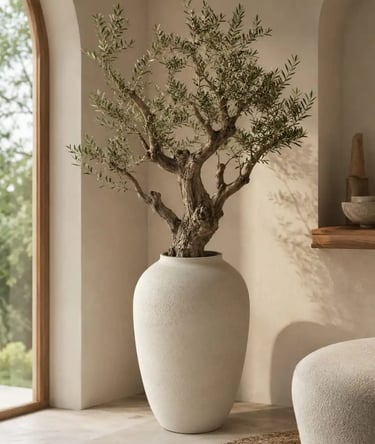
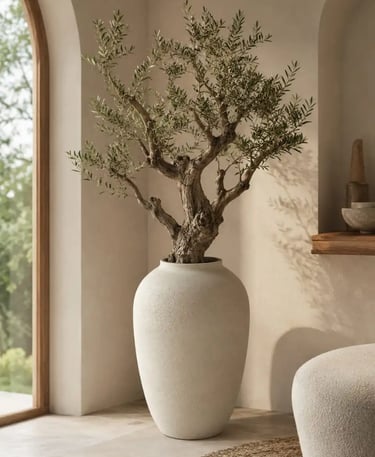
No Modern Organic interior feels complete without the presence of living greenery. Plants introduce movement, softness, and a vital connection to the natural world, reinforcing the restorative atmosphere that defines the aesthetic. Sculptural olive trees, airy branches, and lush indoor plants are often displayed in oversized ceramic, stone, or clay vases that complement the home's earthy material palette. These organic arrangements bring life and dimension to a room while maintaining a sense of simplicity and refinement. Whether through a statement tree in a sunlit corner or a collection of natural stems displayed in a handcrafted vase, greenery serves as a reminder of nature's enduring beauty and its ability to transform a house into a sanctuary.
The Living Element: Greenery, Vases, and Natural Vitality
The Architectural Canvas: Soft Geometry and Fluid Forms
Bringing the Modern Organic aesthetic into your home begins with a thoughtful balance of simplicity, comfort, and natural beauty. Rather than transforming a space overnight, focus on introducing elements that create a sense of warmth, authenticity, and connection.
Establish a Natural Foundation by incorporating organic materials such as wood, stone, linen, wool, and clay. These timeless materials create depth and provide the earthy character that defines the aesthetic.
Embrace a Warm, Earth-Inspired Palette through soft neutrals such as warm white, ivory, mushroom taupe, sandy beige, and rich earthy accents like chocolate brown, terracotta, or eucalyptus green.
Choose Soft, Sculptural Furnishings that prioritize comfort and fluidity. Curved silhouettes, low-profile seating, and generously proportioned furniture help create a relaxed and inviting atmosphere.
Layer Texture Thoughtfully by combining woven textiles, natural fibers, matte finishes, and handcrafted materials. The contrast between different textures adds visual richness while maintaining a calm and cohesive appearance.
Curate Rather Than Decorate by selecting a few meaningful pieces that reflect craftsmanship and personal style. Handmade ceramics, natural stone accents, and artisanal objects often have a greater impact than an abundance of decorative accessories.
Strengthen the Connection to Nature with greenery, natural branches, and organic arrangements displayed in ceramic or clay vases. These living elements introduce freshness, movement, and vitality into the home.
By focusing on authenticity, comfort, and thoughtful curation, you can create a Modern Organic space that feels timeless, restorative, and uniquely your own.
Cultivating Your Own Grounded Retreat
The Enduring Appeal of Nature's Modernism
The Modern Organic movement represents far more than a passing design trend; it reflects a growing desire for homes that nurture well-being, encourage connection, and celebrate the beauty of the natural world. By blending contemporary simplicity with organic materials, handcrafted details, and a warm, earthy palette, this aesthetic creates spaces that feel both sophisticated and profoundly human. Its enduring appeal lies in its ability to evolve gracefully over time, becoming more beautiful as materials age and personal stories unfold. In an increasingly fast-paced world, Modern Organic design offers something truly valuable: a sense of grounding, comfort, and lasting authenticity.
This page contains Amazon affiliate links; we may earn a commission from your purchases
Eftelt
Home Decoration
Helping individuals create homes that feel personal, expressive, and deeply connected to who they are.