
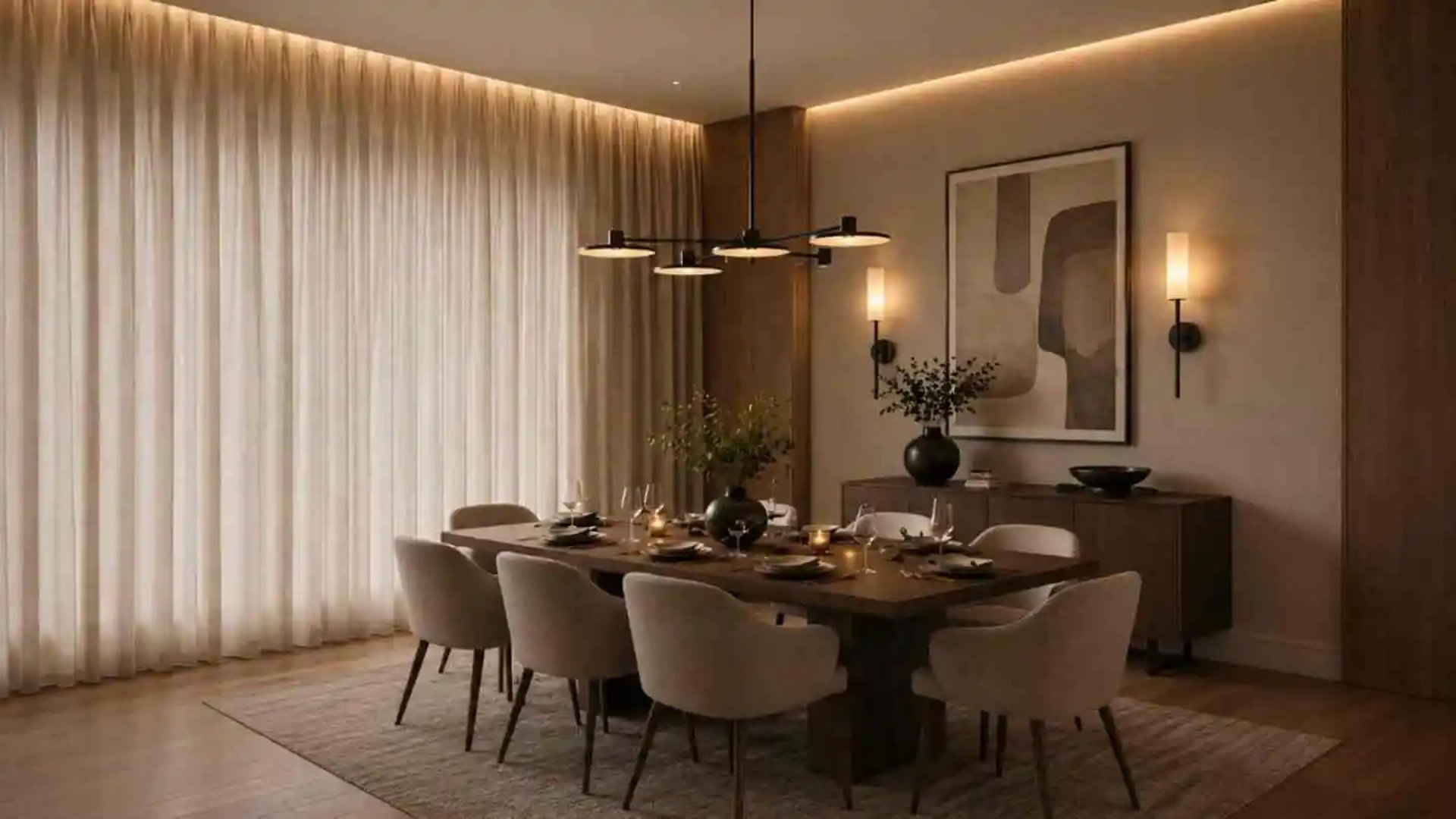
Explore Contemporary Dining Room
A contemporary dining room is defined by balance, atmosphere, and intentional simplicity. It is a space designed not only for dining, but for connection—where proportion, light, and material come together to create a calm and refined setting. The environment feels open yet grounded, structured yet warm, allowing everyday meals and shared moments to unfold in a space that feels effortless, elegant, and naturally inviting. There is a quiet sense of order within the room, where nothing feels excessive, yet nothing feels missing, creating an atmosphere that supports both comfort and presence.
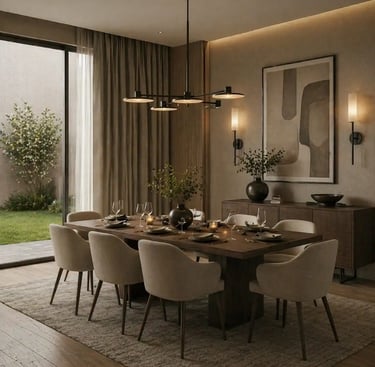
A contemporary dining room palette is built around warm white, off-white, ivory, beige, greige, sand, taupe, and soft grey, supported by grounding tones such as walnut brown, natural oak, espresso, charcoal, graphite, stone grey, and matte black. Accent colors like terracotta, olive green, sage green, dusty blue, burgundy, and rust red are used sparingly to introduce warmth and subtle contrast. The result is a harmonious color system that feels calm, cohesive, and timeless.
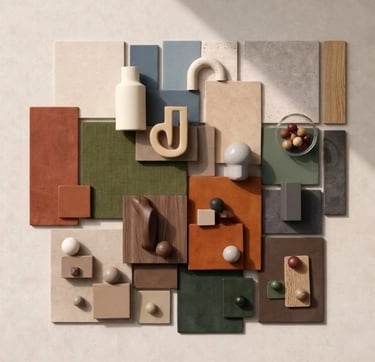
A contemporary dining room is shaped by clean architectural lines, a restrained and cohesive material palette, and a thoughtful layering of textures that adds depth without visual noise. The dining table acts as the central anchor, supported by sculptural lighting and carefully selected seating that balances comfort with refined simplicity. Storage remains integrated and discreet, ensuring the space feels open and uncluttered. Decorative elements are minimal and intentional, often chosen for their sculptural or natural quality rather than ornamentation. The overall composition prioritizes flow, symmetry, and ease of movement, resulting in a dining environment that feels modern, balanced, and quietly sophisticated.
What Defines a Contemporary Dining Room?
Color palette
Textiles
Lighting

Furniture
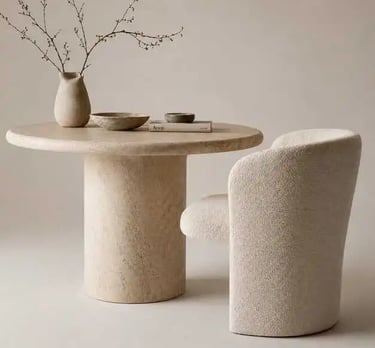
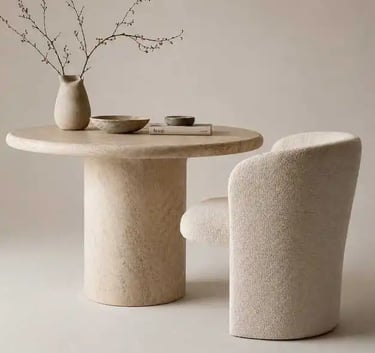
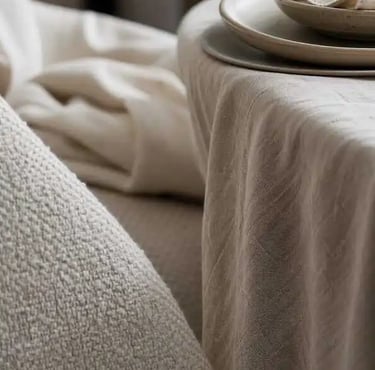
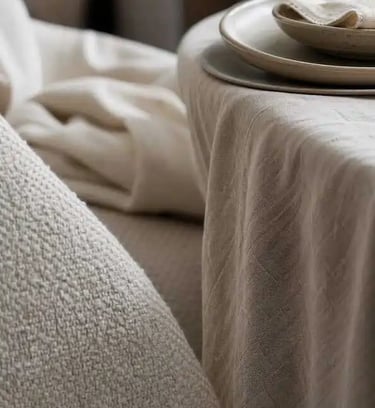
Textiles in a contemporary dining room are minimal yet essential for comfort and acoustic softness. Linen, cotton, and light wool are commonly used for dining chair upholstery, seat pads, or subtle table layering. The textures remain natural and matte, avoiding visual heaviness while adding warmth to the structured environment. Every textile choice is intentional, enhancing comfort without disrupting the room’s clean architectural language.
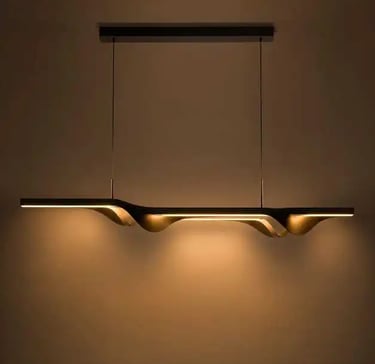
Lighting is a defining feature of the contemporary dining room, often acting as both functional illumination and sculptural centerpiece. Pendant lights or linear chandeliers are positioned above the dining table to establish focus and visual balance. Ambient lighting is soft and diffused, while accent lighting enhances materials and depth within the space. Warm light temperatures between 2700K and 3000K create an inviting and intimate dining atmosphere, reinforcing the room’s sense of comfort and refinement.
Furniture is guided by proportion, simplicity, and material honesty. Dining tables are often crafted from natural wood, stone, or marble with clean, uninterrupted surfaces. Chairs emphasize comfort through streamlined forms, typically upholstered in linen, boucle, or refined leather. Sideboards and storage pieces remain subtle and architectural, with matte finishes and minimal detailing to maintain visual clarity.
Wall Art
Wall art in a contemporary dining room is curated with restraint and precision. Large-scale abstract compositions, monochromatic photography, or textured artworks are preferred to maintain visual calm. Art is often aligned with the dining table to reinforce balance and spatial harmony, acting as a subtle backdrop rather than a dominant focal point within the room.
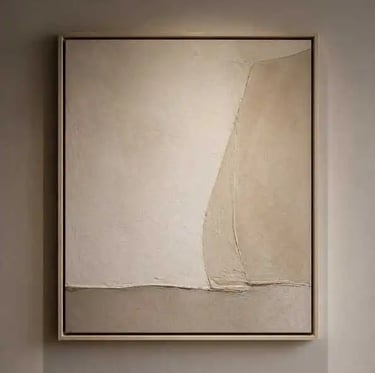
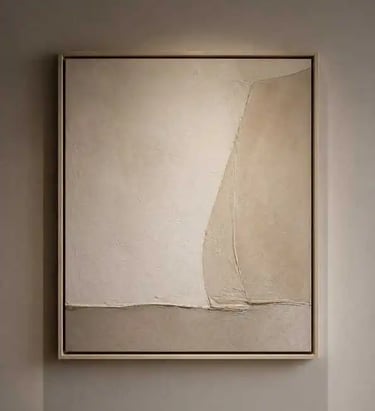
Table Decorations
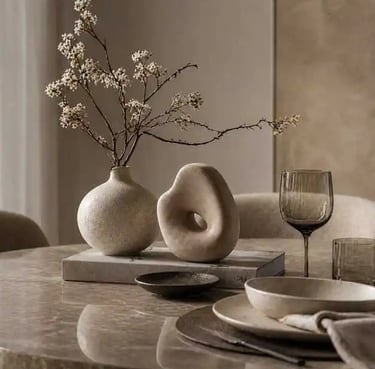
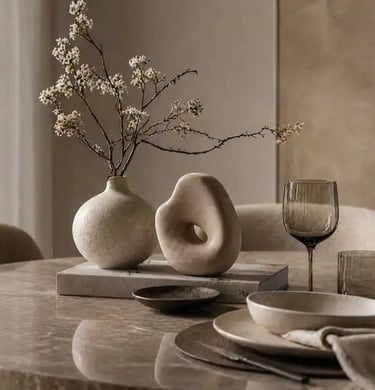
Table styling is minimal, intentional, and adaptable. Centerpieces often include ceramic vases, sculptural objects, or simple floral arrangements. Materials such as glass, stone, and ceramic are favored for their natural and understated qualities. The arrangement is kept low and unobtrusive to preserve open sightlines and encourage natural conversation flow across the table.
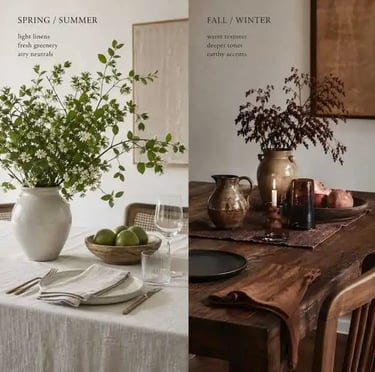
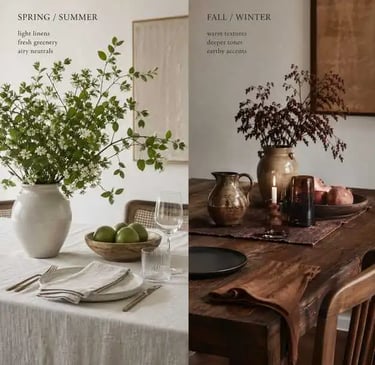
Seasonal variations in a contemporary dining room are subtle but effective. Lighter linens, fresh greenery, and airy neutral tones enhance brightness in warmer months, while deeper wood tones, richer textures, and earthy accents introduce warmth during cooler seasons. These changes allow the space to evolve naturally while maintaining its core identity and architectural consistency.
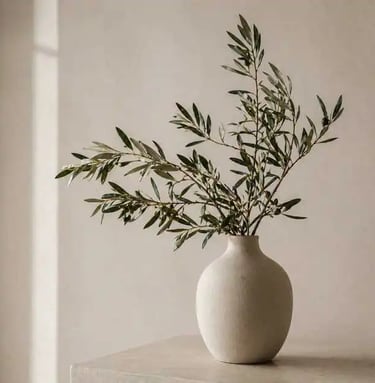
Greenery introduces an organic softness into the structured dining environment. Olive branches, eucalyptus, and simple leafy stems are commonly used as table accents, while larger plants such as olive trees or fiddle-leaf figs can frame the space. Containers remain neutral and understated, typically in ceramic or stone finishes, ensuring the greenery integrates seamlessly into the overall design language.
Greenery

Seasonal Swaps
Designing a contemporary dining room is an exercise in restraint, proportion, and material awareness. When carefully composed, it becomes more than a dining space—it becomes an experience of balance and atmosphere, where design quietly enhances every shared moment.
Eftelt
Home Decoration
Helping individuals create homes that feel personal, expressive, and deeply connected to who they are.